



extended vehicle service plans: a simple comparison guide

Quick refresher

I've bought, canceled, and re-bought coverage over two cars. The short version: extended vehicle service plans pay for specific repairs after the factory warranty ends, but they aren't maintenance and they aren't magic.

What they usually cover

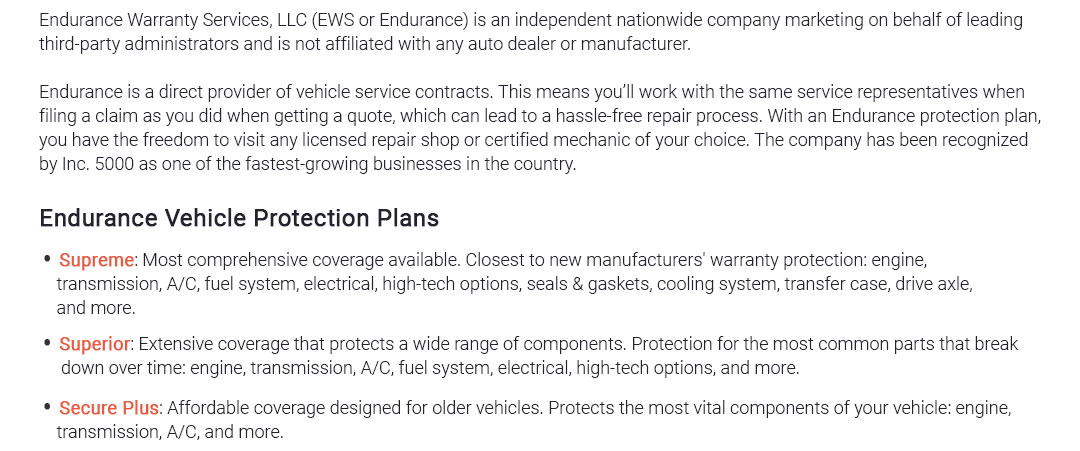
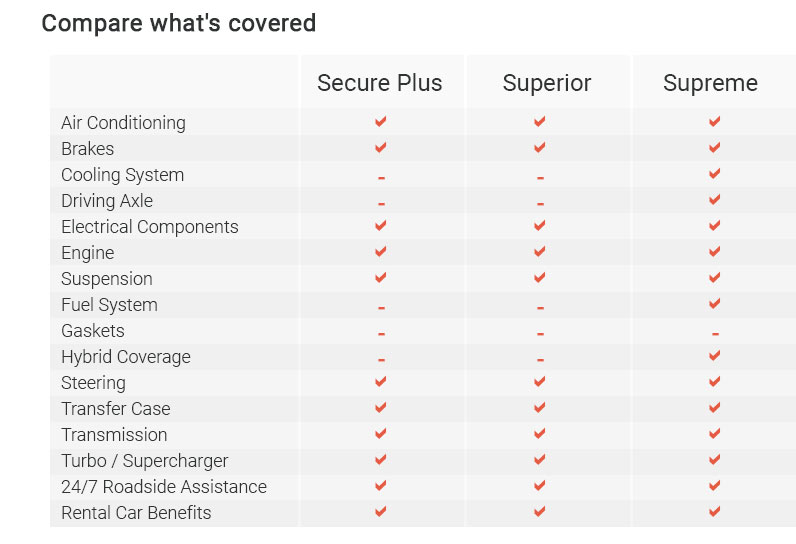
  • Powertrain: engine, transmission, drive axle, seals and gaskets (on higher tiers).
  • Electronics: infotainment units, sensors, control modules (varies widely).
  • Air-conditioning and cooling: compressor, condenser, water pump.
  • Conveniences: window regulators, seat motors, sometimes cameras.
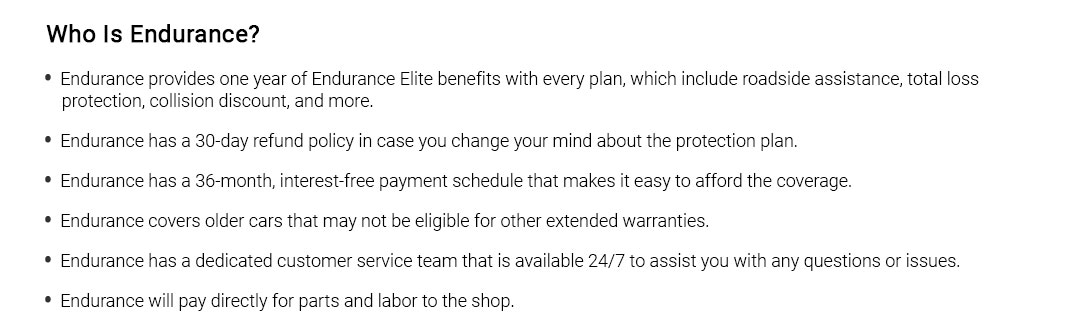
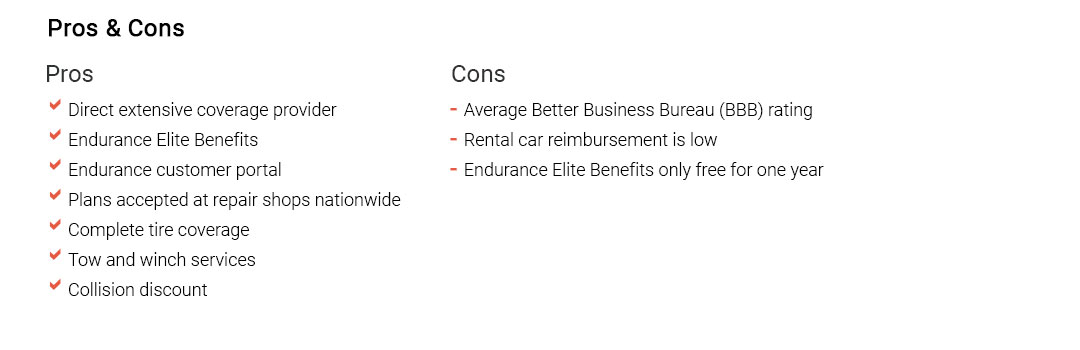
  • Extras often bundled: roadside, towing, rental car (sometimes marketed as generous).

Common exclusions

  • Wear items: brakes, tires, wipers, clutches.
  • Maintenance: oil changes, spark plugs, fluids, alignments.
  • Pre-existing conditions and modified parts.
  • Trim and upholstery and "no trouble found" diagnostics unless specified.
  • Hybrid/EV high-voltage components unless called out in writing.

Where plans differ most

  • Coverage level: named-component vs exclusionary (the latter is broader - what's not listed as excluded is covered).
  • Deductible style: per visit vs per repair; $0, $50, $100+ changes math fast.
  • Term and mileage: e.g., 5 years/60k from purchase date vs from in-service date.
  • Labor rate caps: some reimburse up to a set hourly rate; high-cost metro shops can exceed it.
  • Parts quality: OEM vs aftermarket vs reman.
  • Shop rules: any ASE shop vs network only; prior authorization needed.
  • Diagnostics: covered only when leading to an approved repair.
  • Taxes/fees and fluids: often overlooked and sometimes excluded.

A real-world moment

Last winter a fuel pump died two hours from home. The plan covered the tow and most of the repair; I paid a $100 deductible and tax. The rental car benefit kicked in for two days so I could get back to work. Small thing, but it saved a week of juggling rides.

Cost math that stays honest

Add the plan price plus likely deductibles, then compare to the realistic risk: expected repairs × probability. If your model has known failures (timing chain tensioners, infotainment glitches), weight those higher. Reliable car, short ownership? The math may not pencil out.

Tiny example

$1,900 plan + two likely uses at $100 each = $2,100 total exposure. If you'd otherwise face a $2,800 transmission valve body and a $450 module inside the term, coverage could come out ahead. But flip the probabilities and the value flips, too.

Provider types compared

  • Manufacturer-backed: simpler claims at franchised dealers; pricier, but fewer authorization fights. Often transferable.
  • Dealer-sold third-party: quality varies; read the actual contract, not the brochure. Price is negotiable.
  • National third-party (direct): wider shop choice; check AM Best ratings, labor-rate caps, and complaint patterns.
  • Credit union or insurer-branded: sometimes strong value with plain terms.

Claims and fine print that matter

  • Prior authorization: required before teardown or repair. Miss it and you may pay.
  • Waiting period/inspection: some plans delay coverage 30 - 90 days or 1,000 miles.
  • Maintenance proof: keep receipts; labs/photologs help if service was DIY.
  • Teardown risk: if the root cause isn't covered, you may owe diagnostic time.
  • Limit of liability: often the car's cash value; totaled cars end coverage.
  • Transfer/cancel: transfer fees are normal; pro-rata refunds can be net of claims.
  • Rental and trip interruption: caps per day and per occurrence.

Quick backtrack: I called rental coverage "generous" earlier. More precise: it feels generous until you hit the $35 - $50/day cap; read the dollars, not the adjective.

Simple checklist

  1. Ask for the sample contract and read the exclusions first.
  2. Confirm labor-rate cap, diagnostic policy, and shop choice.
  3. Choose the deductible style that fits your repair frequency.
  4. Verify start date, term miles, and what happens at expiration.
  5. Look for wear-and-tear language (rare but valuable).
  6. Check EV/hybrid coverage line items if applicable.
  7. Document maintenance from day one.

When it's usually worth it

  • Out-of-warranty luxury or turbo/high-tech models with expensive modules.
  • High annual mileage piling on wear beyond OEM coverage.
  • You need payment predictability more than absolute lowest cost.

When to skip

  • Low-mileage, reliable models you'll keep only a year or two.
  • You DIY many repairs or have cut-rate shop access.
  • Plan requires network-only shops far from where you live.

How I decide now

I get quotes from a manufacturer-backed option and one reputable third-party, read both contracts, then run the math with my car's known failure list. If the plan simplifies my life without tricky caps, I'm in; if not, I bank the cash and keep records tight.

https://www.krusemotors.com/vehicle-protection/extended-vehicle-service-contract
Unlike standard warranties, a VSC can extend coverage well beyond the limits of a factory warranty, offering you peace of mind as your vehicle ages. Whether you ...

https://vip.steingoldvolvocars.com/vip-extended-warranty-service-contracts
Secure your coverage effortlessly from the comfort of your home or office with a fast, seamless, and free-to-use process. Eligible for vehicles up to 15 years ...

https://www.reddit.com/r/Scams/comments/1d9t807/endurance_extended_vehicle_service_plan_scam/
It tells me I have an existing Extended Vehicle Service Plan on my existing vehicle, and tries to get me to renew it before it ends or the price goes up and ...


atwratnwm
4.9 stars -1482 reviews